
Arusha, Tanzania · Est. 1993
A Legacy Built on
Art, Heritage & Heart
For more than three decades, the Cultural Heritage Centre has stood as one of Africa’s most distinguished cultural destinations — a place where craftsmanship, conservation, and community come together under one roof.
The Founders
A Vision Born in 1993
Founded in 1993 by Saifuddin and Zahra Khanbhai, the Cultural Heritage Centre began as a bold idea: to create a space where African art, culture, and craftsmanship could be celebrated, preserved, and shared with the world.
Saifuddin Khanbhai, born and raised in Arusha, grew up surrounded by the diverse cultures, traditions, and artistic expressions of East Africa. His deep appreciation for the region’s heritage — from Maasai beadwork and Makonde carvings to Tingatinga paintings and ancient tribal artefacts — inspired him to build a centre that would honour and elevate these art forms.
Alongside Zahra, his partner in vision and purpose, what began as a small gallery space grew steadily into a sprawling cultural complex drawing visitors from across the globe. Their ambition was always to create more than a shop or gallery — a living, breathing tribute to Africa’s artistic soul.
“The Cultural Heritage Centre was never about commerce alone. It was about giving African art the stage it deserves — and giving back to the community that makes it all possible.”
Saifuddin Khanbhai
Founder, Cultural Heritage Centre
Giving Back
Heritage in the Service of Others
From its earliest days, the Centre has believed that culture flourishes only when communities do. Through ongoing partnerships and quiet, consistent support, we stand beside the causes and people who need it most.
WCF Wheelchair Foundation
In partnership with the Wheelchair Foundation, the Centre helps deliver mobility and independence to people living with disability across the Arusha region — restoring dignity, one wheelchair at a time.
Homeless Children
The Centre provides ongoing support to homeless and vulnerable children in Arusha, helping ensure they have access to shelter, nourishment, and the safety every child deserves.
The Plaster House
We proudly support The Plaster House, a Tanzanian charity providing corrective surgery and rehabilitation to children with treatable physical disabilities — giving young lives a healthier start.
Albino Society of Tanzania
The Centre stands with the Albino Society of Tanzania in its work to protect, empower, and advocate for people with albinism — championing safety, inclusion, and equal opportunity.
NICU Fundraiser
Through dedicated fundraising for neonatal intensive care, the Centre helps bring life-saving equipment and care to the region’s most fragile newborns and their families.
Ocean Sole
The Centre champions Ocean Sole, transforming discarded flip-flops recovered from waterways into vibrant art — uniting marine conservation with creative livelihoods for local artisans.

Artist Workshops
Where Craft Becomes Legacy
At the heart of the Centre lie its working artist studios — living spaces where carvers, painters, and beadwork artists practise their craft in full view of visitors. Here, the techniques of generations are kept alive and passed forward.
The workshops provide a stable home and a global stage for Tanzanian artists, many of whom have grown their careers within these walls. Visitors can watch a Makonde carving emerge from a single block of ebony, or see a Tingatinga canvas come to life in vivid colour.
More than a place to create, the workshops are a place to learn — offering hands-on sessions where guests work alongside master artisans and carry home not just a piece of art, but the story of how it was made.
The Art Gallery
A World-Class Collection
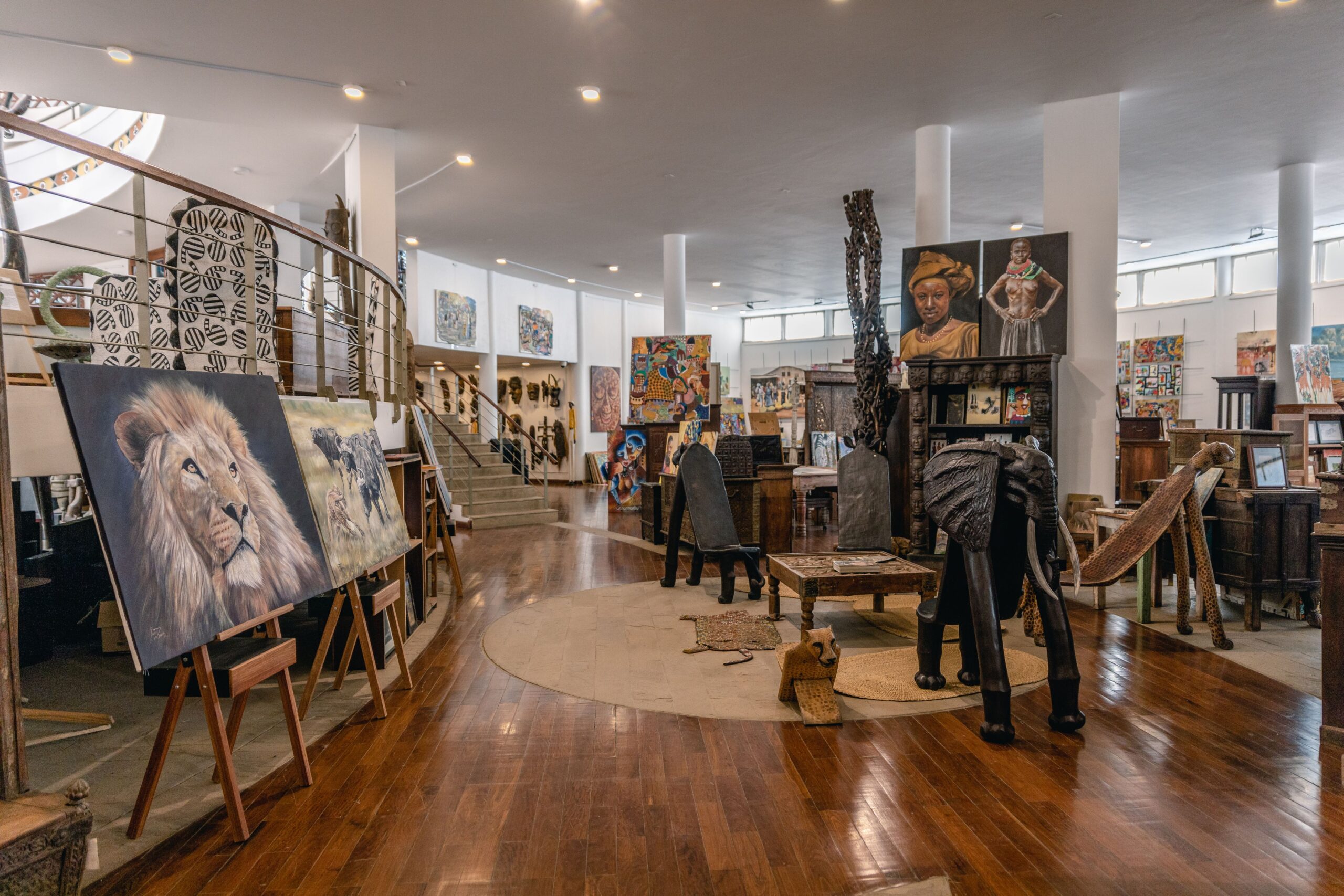
The Art Gallery at the Cultural Heritage Centre houses one of the finest collections of African art on the continent. Spanning expansive floors, it showcases works from across Africa — from contemporary oil paintings and bronze sculptures to traditional Makonde carvings and vibrant Tingatinga art.
The gallery represents both established and emerging African artists, providing a platform for creative voices that might otherwise go unheard. Each piece is selected for its artistic merit, cultural significance, and storytelling power — a journey through the soul of a continent.

Coming Soon
The Next Chapter
The legacy continues to grow. Two new initiatives are taking shape at the Centre — each extending our commitment to conservation, education, and the natural world.
 Opening Soon
The Jane Goodall Museum
A tribute to the legendary primatologist and her groundbreaking work with chimpanzees in Gombe Stream, Tanzania. Through photographs, artefacts, and interactive displays, the museum will chronicle Dr. Goodall’s decades of research and conservation advocacy.
Visitors will gain a deeper understanding of the connections between wildlife, ecosystems, and human communities — and why protecting them matters for generations to come.
 In Development
African Ceremonies
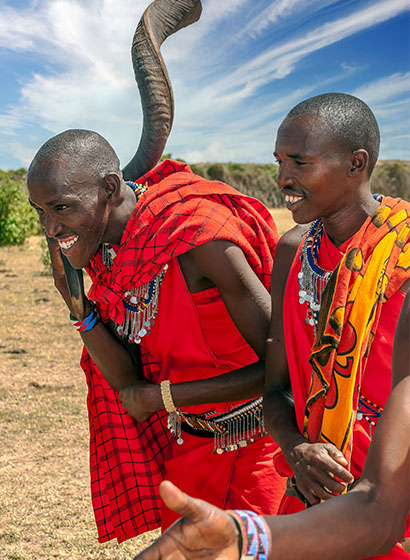
A museum dedicated to the power, beauty, and meaning of African ceremonial life. In collaboration with Angela Fisher and Carol Beckwith, African Ceremonies will showcase the rituals, traditions, adornment, and sacred expressions that have defined communities across the continent for generations.
Through photography, artifacts, storytelling, and immersive displays, the museum will preserve and present Africa’s living heritage — not as something of the past, but as a continuing source of identity, dignity, and connection.
A Legacy That Continues to Grow
Today, the Cultural Heritage Centre continues to grow — not just in size, but in purpose. It remains a beacon for African art and culture, and a steadfast partner to its community, where the past and present meet and every visitor becomes part of a story that reaches forward into the future.
Whether you come to explore the galleries, discover a one-of-a-kind treasure, or simply to be inspired, the Cultural Heritage Centre welcomes you to experience the heart of Africa.