
In short
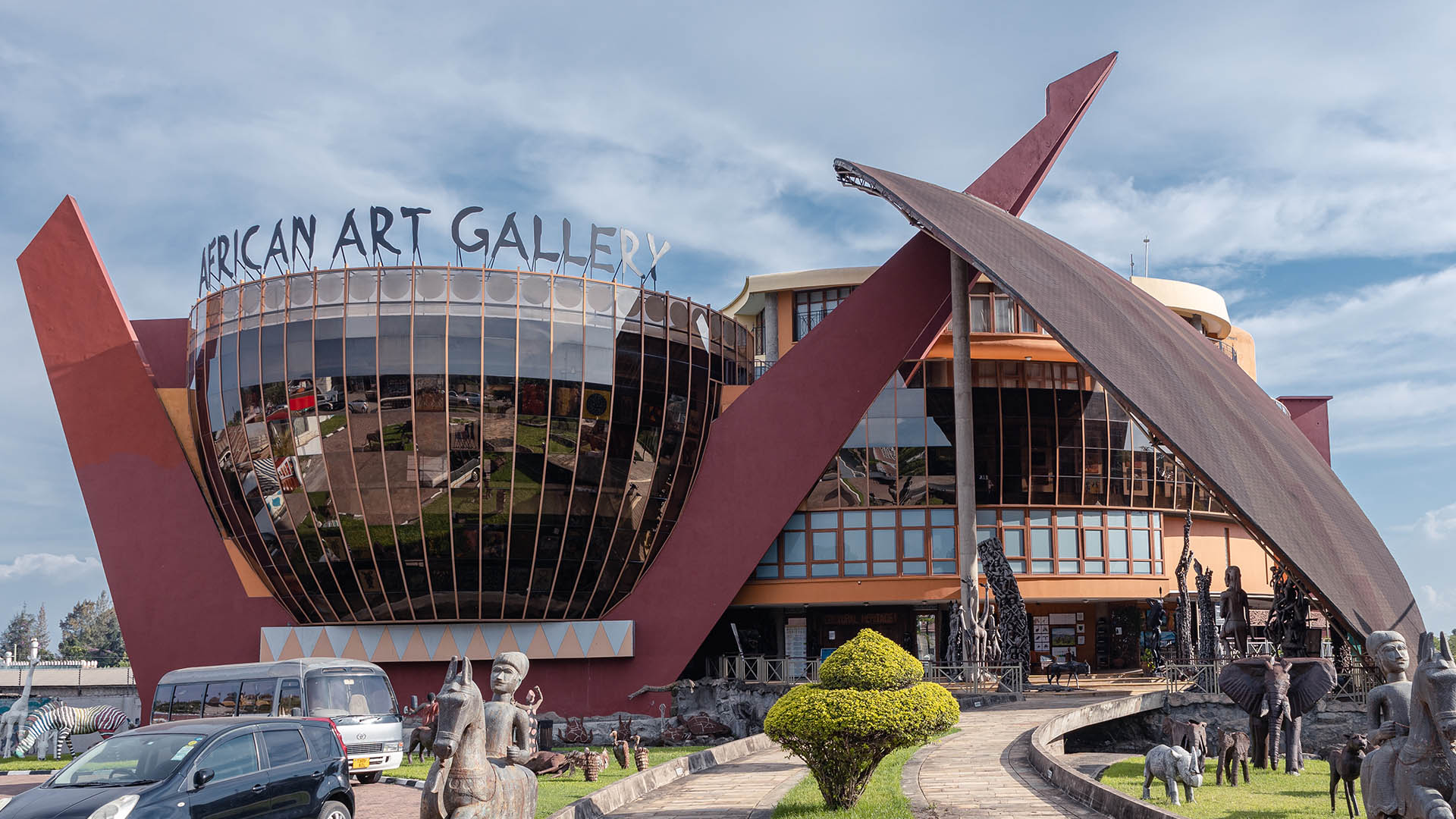
The Cultural Heritage Centre on Dodoma Road, Arusha, is a family-run home of African art, jewellery and crafts, about 15 minutes from town. It is open every day, entry is free, and its four worlds are the Centre, The Collectors gallery, The Vault jewellery house and The Market.
The Cultural Heritage Centre on Dodoma Road in Arusha is a family-run destination for African art, jewellery and crafts, about 15 minutes’ drive from the town centre. It is open every day, entry to its galleries, market and workshops is free, and it brings together four worlds: the main Centre, The Collectors art gallery, The Vault jewellery house and The Market.
What is the Cultural Heritage Centre in Arusha?
The Cultural Heritage Centre is a single destination for African art, jewellery and crafts on Dodoma Road, run as a family business. Saifuddin and Zahra Khanbhai founded it, and the family has run it for about three decades.
You may also see it called the Arusha Cultural Heritage Centre. If you are looking for a cultural centre in Arusha that brings serious art, fine jewellery and crafts together in one place, it is organised into four worlds, so you can see everything in one visit or head straight for what interests you.
Cultural Heritage Centre Arusha at a glance
- Location: Dodoma Road, Arusha, Tanzania
- Distance: about 15 minutes’ drive from Arusha town centre
- Open: every day of the week (current hours are on the Visit page)
- Entry: free to the galleries, The Market and the workshops
- Four worlds: the main Centre, The Collectors (art), The Vault (jewellery) and The Market (crafts)
- Phone and WhatsApp: +255 748 078 278
What can you see at the Cultural Heritage Centre?
You can see a large collection of African paintings and sculpture, a jewellery house led by Tanzanite, a craft market and the Centre’s workshops. Each has its own character, so it helps to know what is where.
The Collectors: one of Africa’s largest art galleries
The Collectors is housed in a building with a spiral atrium known as the Ascension of Africa. The collection runs to around 440 works, mostly oil and acrylic paintings by East and Southern African artists, among them Calvine Zvenyika, Isheanesu Veremu, Munyaradzi Chibaya, Berthold Moyo, Keith Zenda, John Mahove, Lusingu Mvungi and Kano Derrick.
Alongside the canvases are bronze and silver wildlife sculpture by Mike Ghaui, wood figures, Makonde and Shetani carvings from the Makonde carving tradition of south-eastern Tanzania and northern Mozambique, and masks and headdresses such as the antelope-form Chiwara of the Bamana people of Mali. The works are arranged in themed exhibition rooms:
- Faces of Africa
- Figures of Africa
- Wild Africa
- Abstract Africa
- Life of the People
- Women of Africa
- A room devoted to the sculptor and painter Mike Ghaui
Works that have already sold are marked “in a private collection”, so you can see at a glance what is still available. You can preview the rooms on The Collectors site before you go.
The Vault: Tanzanite and fine jewellery
The Vault holds about 1,400 pieces, and Tanzanite jewellery is the largest group. Tanzanite is the blue-violet variety of the mineral zoisite, and it is mined commercially only in the Merelani Hills near Mount Kilimanjaro, which makes northern Tanzania the natural place to see it. Beyond Tanzanite, this is what you will find:
- Other gems and materials: tsavorite (a green garnet found in Tanzania and Kenya), ruby, sapphire, emerald, diamond, rhodolite garnet, amethyst, citrine, peridot, aquamarine, tourmaline, lapis lazuli, turquoise, coral, amber, pearl and rose quartz.
- Metals: sterling silver, and yellow, white and rose gold.
- Pieces: necklaces, rings, earrings, bracelets and bangles, pendants, brooches and silver objects.
- Beadwork: Maasai and Samburu beadwork necklaces and bracelets, plus chevron and trade-bead necklaces strung with the kind of glass beads long traded across Africa.
For something made to order, the Design Studio creates bespoke pieces.
The Market and the workshops
The Market sells crafts and keepsakes such as Maasai beadwork, carvings and Tanzanian coffee. It is a place to shop in person, so leave time for it before you get back in the car. Entry to the workshops is free as well, so ask about visiting them when you arrive.
How do you get to the Cultural Heritage Centre from Arusha town?
Head out of town along Dodoma Road: the Centre is about 15 minutes’ drive from Arusha town centre by taxi, private car or with your safari driver.
Dodoma Road leads out of Arusha towards Makuyuni, where the roads to Tarangire, Lake Manyara, the Ngorongoro Crater and the Serengeti divide, so it is the usual road out of town for safaris on the northern circuit. That puts the Centre on the way for anyone starting or finishing a safari.
- On safari: ask your driver-guide to stop on the way out towards the parks, or on the way back into town.
- Need directions? Call or send a WhatsApp message to +255 748 078 278.
- Planning the wider trip? Read our guide to planning a safari from Arusha.
How long should you allow for a visit?
As a rough guide, allow at least an hour for a first look, and two to three hours to see The Collectors properly and shop The Vault and The Market without rushing. Collectors and anyone choosing a significant jewellery piece may want half a day.
- About an hour: the Ascension of Africa atrium, a few gallery rooms and a stop at The Market.
- Two to three hours: every exhibition room, time with the Tanzanite and beadwork in The Vault, and unhurried shopping.
- Half a day: for collectors comparing artists, or buyers planning a bespoke jewellery piece.
What can you buy, and how does buying by quote work?
You can buy art, jewellery and crafts. Prices for The Vault’s jewellery are given on request: you choose your pieces, receive a quote in US dollars and pay by card payment link or bank transfer.
Buying jewellery from The Vault
- Browse in person, or online in The Vault shop.
- Add the pieces you like to “My selection”.
- Request your quote, which is given in US dollars.
- Pay by card payment link or by bank transfer.
- If you would rather not carry a piece home, ask whether delivery to your country can be arranged when you request the quote.
This suits travellers who want to decide after their safari, and buyers in Tanzania, Kenya and further afield who prefer to choose from home.
Buying art and crafts
Paintings and sculpture from The Collectors can be browsed online as well as on the gallery walls; anything marked “in a private collection” has already sold. Crafts from The Market are bought in person at the Centre, as The Market does not sell online yet.
What should safari groups know before visiting?
Tell your safari operator or driver-guide in advance that you want to stop at the Cultural Heritage Centre on Dodoma Road, and decide whether to visit on the way out or the way back. If you are listing things to do in Arusha around your safari, these tips help:
- No tickets needed. Entry is free, so there is nothing to book for the galleries.
- Browse first, buy later. Look on the way out and buy on the way back, so fragile pieces are not bouncing around the vehicle for days.
- Mind your luggage. Light-aircraft flights to safari airstrips often have tight baggage limits, so for larger pieces ask whether delivery can be arranged when you request your quote.
- Split up. Art lovers can head to The Collectors, jewellery buyers to The Vault, and everyone else to The Market.
Frequently asked questions
Is entry to the Cultural Heritage Centre in Arusha free?
Yes. Entry to the galleries, The Market and the workshops at the Cultural Heritage Centre on Dodoma Road in Arusha is free. You only pay if you decide to buy something, such as a painting from The Collectors, a piece of jewellery from The Vault or crafts from The Market.
What are the opening hours of the Cultural Heritage Centre?
The Cultural Heritage Centre in Arusha is open every day of the week. Because hours can change, check the Visit page on culturalheritagetz.com for current opening times, or call or send a WhatsApp message to +255 748 078 278 before you set out, especially if you are travelling with a safari group.
How far is the Cultural Heritage Centre from Arusha town?
The Cultural Heritage Centre is on Dodoma Road, about 15 minutes’ drive from Arusha town centre. Dodoma Road is also the road out of Arusha towards Tarangire, Lake Manyara, the Ngorongoro Crater and the Serengeti, so the Centre is easy to visit at the start or end of a northern circuit safari.
Can you buy Tanzanite at the Cultural Heritage Centre?
Yes. Tanzanite jewellery is the largest group among the roughly 1,400 pieces in The Vault, the Cultural Heritage Centre’s jewellery house. Prices are given on request: add pieces to “My selection”, receive a quote in US dollars, then pay by card payment link or bank transfer. The Design Studio also makes bespoke pieces.
Can you shop at the Cultural Heritage Centre online?
Partly. You can browse jewellery from The Vault and art from The Collectors online at culturalheritagetz.com and ask about pieces that interest you. Crafts from The Market, such as Maasai beadwork, carvings and Tanzanian coffee, are sold in person at the Cultural Heritage Centre on Dodoma Road, so buy those during your visit.
Whether you have an hour on the way to the parks or a whole afternoon, the Cultural Heritage Centre on Dodoma Road is open every day and free to enter. Check current hours on the Visit page, or start exploring The Collectors online before you arrive.
