In short
Arusha is the base for northern Tanzania safaris: Serengeti, Ngorongoro, Tarangire, Lake Manyara, Arusha National Park and Kilimanjaro. Fly into Kilimanjaro International, travel in the dry seasons, allow five to seven days with the Serengeti, and stop at the Cultural Heritage Centre on Dodoma Road.
Arusha is the safari capital of northern Tanzania: the Serengeti, Ngorongoro Crater, Tarangire, Lake Manyara and Arusha National Park are all reached from here. To plan a safari, fly into Kilimanjaro International Airport, travel in the dry months and allow five to seven days if you include the Serengeti. The Cultural Heritage Centre on Dodoma Road in Arusha makes an easy first or last stop.
Why is Arusha the gateway to the northern safari circuit?
The main northern parks are all within a day’s drive of Arusha, and the town has the airports, guides and safari vehicles a trip depends on.
Two airports serve it: Kilimanjaro International (JRO) and the smaller Arusha Airport. Most northern circuit operators start and finish their itineraries in Arusha.
The northern circuit at a glance (drive times from Arusha are approximate):
- Arusha National Park: under an hour from town, with Mount Meru, giraffe, colobus monkeys and walking safaris.
- Tarangire National Park: about two hours. Known for its big elephant herds and baobab trees.
- Lake Manyara National Park: about two hours, with groundwater forest and a soda lake below the Rift Valley escarpment.
- Ngorongoro Crater: three to four hours. A vast volcanic caldera full of wildlife, including black rhino.
- Serengeti National Park: a full day’s drive or a short flight. Open plains, big cats and the Great Migration.
- Mount Kilimanjaro: Africa’s highest mountain, roughly two hours east, with trailheads near Moshi.
When is the best time for a safari from Arusha?
Game viewing is easiest in the dry seasons: roughly June to October, and again around January and February. In those months animals gather near water and the grass is shorter.
The long rains, usually March to May, turn the land green and bring fewer vehicles, though some roads and camps are affected. The short rains of November and December tend to fall as brief showers.
The Great Migration follows the rain in a broad loop. Wildebeest and zebra usually calve on the southern Serengeti plains early in the year, move north and west through the middle months, and cross the Mara River in the northern Serengeti from about July to October. Timing shifts each year, so a good guide matters more than a fixed date.
How many days do you need for a northern circuit safari?
Allow three to four days for Tarangire, Lake Manyara and Ngorongoro. Allow five to seven days if you add the Serengeti.
- 3–4 days: Tarangire, Lake Manyara and Ngorongoro Crater
- 5–7 days: add the central or northern Serengeti
- 6–9 days: most Kilimanjaro climbs, on the mountain alone
- Plus one night in Arusha at each end
A night in Arusha before you set off lets you recover from a long-haul flight. A night at the end means a delay will not cost you a game drive or your flight home.
What can you do in Arusha before or after your safari?
Use your spare day to rest, take a half day in Arusha National Park or tour a coffee farm on the slopes of Mount Meru, and visit the Cultural Heritage Centre.
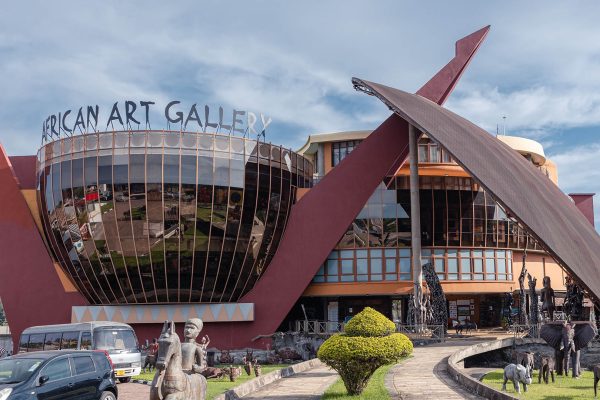
The Centre is on Dodoma Road, about 15 minutes’ drive from the town centre, on the western side of town in the direction of Tarangire, Lake Manyara and Ngorongoro. Entry to the galleries, market and workshops is free, and the Centre is open every day. Check our Visit page for current hours and directions.
It is one destination with four worlds: the main Centre, The Collectors art gallery, The Vault jewellery house and The Market for crafts.
The Collectors is one of Africa’s largest art galleries, housed in a building with a spiral atrium called the Ascension of Africa. Its rooms include Faces of Africa, Women of Africa and Life of the People. You will find oil and acrylic paintings by East and Southern African artists, Makonde and Shetani carvings, and masks.
Which safari keepsakes are worth taking home?
The best keepsakes bring back what you saw: wildlife art, a bronze sculpture or a Tanzanite, a gem found only in northern Tanzania.
The Wild Africa room at The Collectors is given over to wildlife art. Sculptor and painter Mike Ghaui has a room of his own, with his bronze and silver wildlife sculpture. Works that have already sold are marked “in a private collection”.
The Vault holds around 1,400 pieces of jewellery. Tanzanite jewellery is the largest group, set in sterling silver and in yellow, white and rose gold. You will also find tsavorite, Maasai and Samburu beadwork and chevron trade-bead necklaces.
Tanzanite is mined only in the Merelani Hills, near Mount Kilimanjaro. Read our guide to the gem found nowhere else before you buy. The Market sells beadwork, carvings and Tanzanian coffee at the Centre.
Frequently asked questions
What should I pack for a safari from Arusha?
Pack light layers in neutral colours such as khaki, olive or beige, plus a warm fleece for early drives and the cold Ngorongoro Crater rim. Add a sun hat, sunglasses, sunscreen, insect repellent, binoculars and spare camera batteries. Use a soft-sided bag if you plan to fly between parks, because light aircraft have strict luggage limits.
Which airport should I fly into for an Arusha safari?
Most international travellers fly into Kilimanjaro International Airport (JRO), between Arusha and Moshi, about an hour’s drive from Arusha. Arusha Airport, a smaller airport a few kilometres west of town, mainly handles domestic and light-aircraft flights, including to Serengeti airstrips and Zanzibar. Many visitors drive the shorter park legs and fly the longer ones.
How far is the Cultural Heritage Centre from Arusha town?
The Cultural Heritage Centre is on Dodoma Road, about 15 minutes’ drive from Arusha town centre. It is open every day, and entry to the galleries, market and workshops is free. For current hours, see the Visit page on culturalheritagetz.com, or call or WhatsApp +255 748 078 278.
Can I get a jewellery price before I visit?
Yes. Prices at The Vault are given on request. Add the pieces you like to “My selection” online and the team will send a quote in US dollars. Payment is by card payment link or bank transfer. For a bespoke piece, the Design Studio can create something made to order.
Planning your route? Add the Cultural Heritage Centre to the first or last day of your safari. Before you fly, browse The Collectors and The Vault online, and send us a WhatsApp message on +255 748 078 278 with any questions.