
How to Buy Tanzanite in Arusha: A Practical Buyer’s Guide
In short
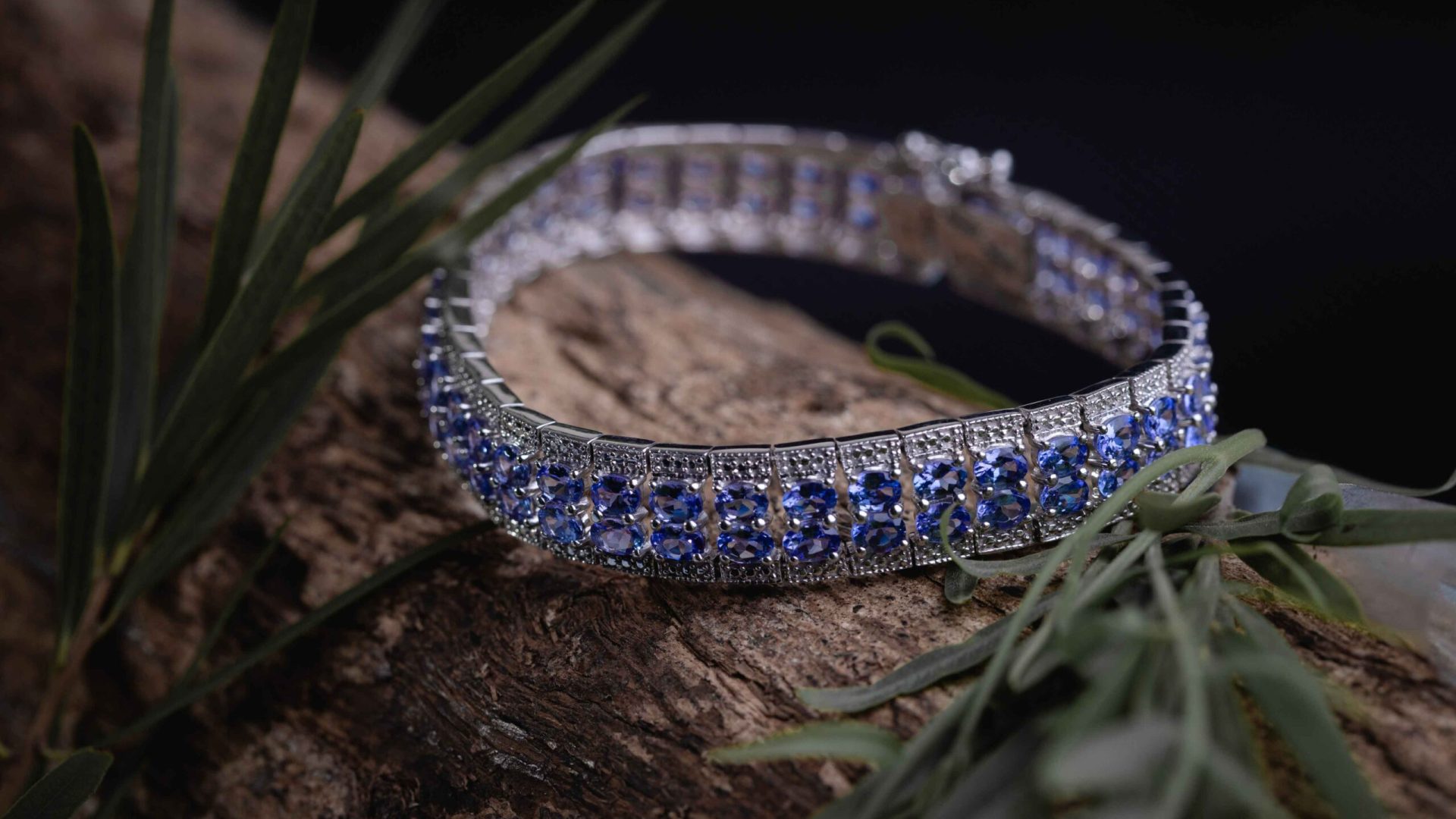
Buy Tanzanite in Arusha from an established jeweller, judge colour first, then clarity, cut and carat, expect heat treatment, check for glass, synthetic forsterite and coated stones, and keep an itemised receipt. The Vault at the Cultural Heritage Centre on Dodoma Road in Arusha holds a large Tanzanite collection.
To buy Tanzanite in Arusha with confidence, buy from an established jeweller rather than a street seller, judge each stone on colour, clarity, cut and carat, ask about heat treatment, and keep a detailed receipt. The Vault, the jewellery house at the Cultural Heritage Centre on Dodoma Road in Arusha, holds around 1,400 pieces, and Tanzanite is the largest group.
This Tanzanite buying guide is the practical companion to the story of Tanzanite, the gem found nowhere else.
Where does Tanzanite come from?
All natural Tanzanite comes from one small mining area: the Merelani Hills of northern Tanzania, near Mount Kilimanjaro and within reach of Arusha. No other commercial source has been found anywhere in the world.
Tanzanite is the blue-violet variety of the mineral zoisite and came to the world’s attention in 1967 (Wikipedia has a good overview). With the only source so close, Arusha is a natural place to compare many stones side by side.
Tanzanite at a glance
- Mineral: zoisite, in its blue to violet variety
- Only known source: the Merelani Hills, northern Tanzania
- Colour: blue to violet; trichroic, so it shows different colours from different angles
- Hardness: about 6 to 7 on the Mohs scale, with fair to poor toughness
- Usual treatment: heating, to remove brownish tones and bring out the blue-violet colour
- Best suited to: earrings, pendants, necklaces and protected ring settings
Other Tanzanian gems to compare
Tsavorite, a bright green garnet, and rhodolite, a raspberry to purplish-red garnet, are a little harder than Tanzanite at around 7 to 7.5 on the Mohs scale. Both are usually sold untreated, which makes them practical for everyday rings. The Vault carries both, so you can see tsavorite jewellery and rhodolite garnet beside Tanzanite.
What should you look for in Tanzanite colour, clarity, cut and carat?
Colour matters most: look for a rich, even blue-violet without grey or brown tones. Then choose a stone that looks clean to the eye, is cut to show its colour evenly, and suits the piece and your budget.
Colour and saturation
Tanzanite ranges from pale lilac to deep, inky blue-violet, and saturation (how intense the colour is) has the biggest effect on value. The gem is strongly trichroic, showing blue, violet and sometimes a hint of burgundy along different crystal directions, so turn a stone slowly and watch it shift. It also looks bluer in daylight and more violet under warm indoor lamps; view it in both.
Many sellers grade colour with letters such as AAA or AA. These are trade shorthand, not a laboratory standard, so ask what the grade means in that shop and compare stones directly.
Clarity, cut and carat
Gem-quality Tanzanite is usually eye-clean, and visible inclusions lower value. Popular cuts include oval, cushion, pear, trillion and round; a good cut spreads colour across the whole stone, while a poor one leaves a washed-out “window” in the centre. Carat is weight, not size, and small stones tend to look paler than large ones. The GIA’s guide to Tanzanite explains these factors in more detail.
Is Tanzanite heat-treated?
Yes. Almost all Tanzanite on the market has been heated, and this is standard, accepted practice in the gem trade. Heating removes brownish tones from the rough crystal and brings out the blue-violet colour buyers expect.
The result is permanent and stable. A little rough is naturally blue, but laboratories usually cannot prove whether a stone has been heated, so treat claims of “unheated” Tanzanite with caution. Coating and fracture filling are rare and far less durable, so ask the seller to confirm a stone has neither. A good seller will tell you Tanzanite is normally heated and can note it on your receipt.
How do you tell real Tanzanite from fakes?
The surest protection is to buy from an established jeweller and, for an important stone, to rely on an independent gemmological laboratory report. A few checks with a 10x loupe can also help you spot the commonest imitations.
Real vs fake Tanzanite: common imitations
- Glass: may show tiny round gas bubbles or swirl marks, has softer facet edges, and stays one colour however you turn it.
- Synthetic forsterite: one of the most convincing imitations, and it can shift colour too. It is strongly doubly refractive, so back facet edges look doubled under a loupe; in Tanzanite this doubling is faint or hard to see.
- Coated stones: pale zoisite, quartz or similar material with a thin blue-violet coating. Look for colour that seems to sit on the surface and for worn patches along facet edges.
- Price and pressure: a large, deeply coloured stone offered far below shop prices, especially on the street, is a warning sign.
What paperwork should you ask for?
Ask for an itemised receipt that names the gem as Tanzanite, gives its carat weight, states the metal and fineness (such as 925 sterling silver or 18-carat gold) and notes any treatment. A shop’s own certificate is a useful record but is not the same as an independent laboratory report, so for a significant stone ask whether one can be arranged.
Should you choose silver or gold for Tanzanite, and how do you care for it?
Both work well. Sterling silver and white gold tend to emphasise the stone’s blue, while yellow and rose gold warm it and draw out the violet. Choose a setting that protects the stone, then clean it gently.
Sterling silver is the more affordable choice for earrings and pendants but needs occasional polishing; gold wears better, which matters most in rings. The Vault’s pieces are set in sterling silver and in yellow, white and rose gold, so you can compare how each metal changes the look of the stone.
Caring for Tanzanite
- Tanzanite is softer than sapphire, ruby or diamond and can chip if knocked.
- Clean it with warm water, mild soap and a soft brush.
- Never use an ultrasonic or steam cleaner, and avoid high heat and sudden changes of temperature.
- Store it separately so harder gems cannot scratch it.
- Take rings off for sport and housework; a bezel or halo setting protects better than tall claws.
How do you buy Tanzanite through The Vault?
Buy in person at the Cultural Heritage Centre or start online: browse, add pieces to My selection and request a quote in US dollars.
- Browse The Vault’s Tanzanite jewellery online; the wider collection covers necklaces, rings, earrings, bracelets, bangles and pendants.
- Add pieces to My selection and send it for a quote; prices are given on request, in US dollars.
- Pay by card payment link or bank transfer once you are happy with the quote.
- For a bespoke ring or pendant, talk to the Design Studio.
Before or after your safari from Arusha, you can see Tanzanite jewellery at the Centre on Dodoma Road, about 15 minutes’ drive from the town centre. Entry is free and the Centre is open every day. Send questions through The Vault’s contact page or WhatsApp on +255 748 078 278.
Taking your Tanzanite home
Keep your receipt and any certificates or reports with the jewellery, ideally in your hand luggage. Customs allowances and declaration rules differ from country to country, so check your own country’s rules on bringing jewellery and gemstones home before you travel.
Frequently asked questions
Is Tanzanite cheaper to buy in Arusha?
Not automatically. Buying in Arusha puts you close to the only source, so you can compare a wide range of Tanzanite in one place, but price still depends on colour, size, cut, clarity and setting. Compare like with like, ask for an itemised quote, and be wary of any deal that looks far too good to be true.
Can you wear a Tanzanite ring every day?
You can, with care. Tanzanite is softer than sapphire or diamond, at about 6 to 7 on the Mohs scale, so it can scratch or chip. Choose a protective setting such as a bezel or halo, take the ring off for sport and housework, and consider tsavorite or rhodolite garnet if you want a harder everyday stone.
Does all Tanzanite come from Tanzania?
Yes. Natural Tanzanite has only been found in commercial quantities in the Merelani Hills of northern Tanzania, near Mount Kilimanjaro. That single source, within reach of Arusha, is why the city is such a natural place to compare and buy Tanzanite jewellery.
What is the best colour of Tanzanite?
The most sought-after Tanzanite has a deep, saturated blue-violet colour with no grey or brown tones. Some buyers prefer a bluer stone, others a richer violet, and both are valued. Lighter lilac stones cost less and can still look beautiful, especially in earrings. View stones in daylight and indoor light, because Tanzanite’s colour shifts with the lighting.
Does The Vault show Tanzanite prices online?
No. The Vault, the jewellery house at the Cultural Heritage Centre in Arusha, gives prices on request. Add the pieces you like to My selection and send it for a quote, which is given in US dollars. You can then pay by card payment link or bank transfer. For a bespoke piece, The Vault’s Design Studio can discuss a made-to-order design.
The best way to choose Tanzanite is to see it in daylight, turn it in your hand and ask questions. Check current hours and plan your visit to The Vault at the Cultural Heritage Centre, or browse the jewellery collection online and start your selection.
